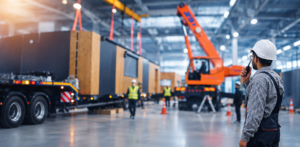
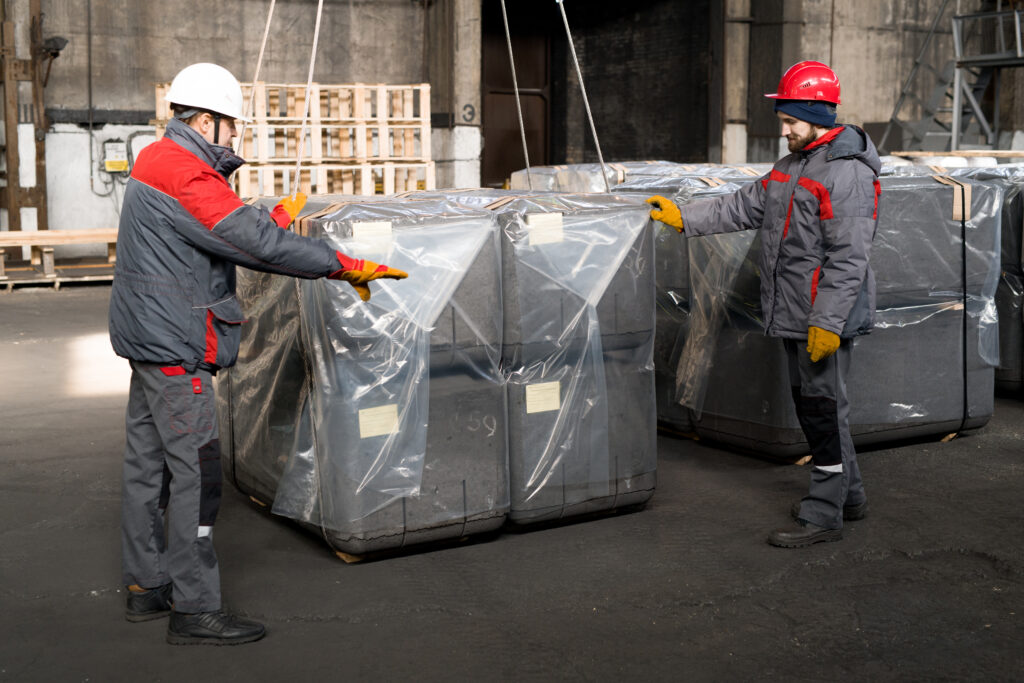
Heavy machinery shifting is a complex process that requires careful planning, specialised equipment, technical expertise, and strict safety procedures. Whether relocating industrial machinery, construction equipment, manufacturing units, or large-scale production systems, moving heavy equipment involves much more than transporting it from one location to another. Every stage, from dismantling and lifting to loading, transportation, and installation, must be managed with precision.
Improper handling can result in equipment damage, workplace accidents, costly delays, and operational disruptions. This makes professional heavy machinery shifting services essential for businesses that need to relocate valuable industrial assets safely and efficiently.
In this guide, we explore the equipment used for heavy machinery shifting, the planning process, and the key safety considerations involved in successful industrial equipment relocation.
What Is Heavy Machinery Shifting?
Heavy machinery shifting refers to the process of moving large, heavy, or specialised industrial equipment from one location to another. This may involve relocating machinery within a factory, transferring equipment between industrial facilities, or transporting machinery across cities and international borders.
The process often requires specialised lifting systems, rigging equipment, heavy-duty transport vehicles, and trained professionals to ensure safe handling.
Common machinery and equipment relocated through heavy machinery shifting include:
- Manufacturing and production machinery
- CNC machines and precision engineering equipment
- Industrial presses and hydraulic systems
- Generators, turbines, and compressors
- Construction and mining equipment
- Industrial boilers and processing units
- Power plant machinery
- Heavy electrical and mechanical equipment
Depending on the machinery’s dimensions, weight, and technical requirements, the relocation process may involve dismantling, specialised packing, loading, transportation, unloading, and reinstallation.
Equipment Used for Heavy Machinery Shifting
Selecting the right equipment is one of the most important aspects of heavy machinery relocation. The machinery’s weight, dimensions, centre of gravity, lifting points, and site conditions determine which tools and transport systems are required.
Here are some commonly used types of equipment.
1. Hydraulic Gantry Systems
Hydraulic gantry systems are used to lift and position extremely heavy machinery in locations where conventional cranes may not be practical. They provide controlled vertical lifting and are particularly useful in factories, industrial plants, and facilities with limited access.
2. Mobile and Crawler Cranes
Cranes are essential for lifting and transferring heavy equipment, particularly when machinery needs to be moved over obstacles or loaded onto specialised transport vehicles.
- Mobile cranes offer flexibility across different project sites.
- Crawler cranes provide stability and lifting capacity for demanding heavy-lifting operations.
- Tower cranes may be used in specific construction or industrial projects.
The crane selection depends on the equipment’s weight, lifting height, available space, and ground conditions.
3. Hydraulic Jacks
Hydraulic jacks help raise heavy machinery gradually and safely. They are commonly used when lifting equipment from foundations, positioning it for movement, or preparing it for loading.
Multiple jacks may be used together to distribute the load evenly and maintain stability.
4. Machinery Skates and Rollers
Machinery skates and industrial rollers allow heavy equipment to move horizontally across factory floors and other suitable surfaces.
They are particularly useful when relocating machinery within industrial buildings where large transport vehicles cannot enter.
5. Forklifts and Telehandlers
Forklifts are used to lift and transport machinery over short distances, provided the load is within their rated capacity and the equipment is suitable for the task.
Telehandlers offer additional reach and lifting flexibility, making them useful for certain industrial and construction environments.
6. Low-Bed Trailers and Heavy-Duty Transport Vehicles
Once machinery has been lifted and secured, it must be transported using suitable vehicles.
Common transportation options include:
- Low-bed trailers for tall and oversized machinery
- Flatbed trailers for suitable industrial equipment
- Extendable trailers for longer or oversized loads
- Multi-axle trailers for distributing exceptionally heavy loads
- Specialised heavy-haul vehicles for complex transportation requirements
Choosing the correct vehicle helps maintain load stability and ensures compliance with transportation regulations.
How to Plan a Heavy Machinery Shifting Project
Successful machinery relocation starts well before the actual lifting or transportation begins. A structured planning process helps minimise risks, prevent unexpected costs, and reduce downtime.
1. Conduct a Detailed Machinery Assessment
The first step is to evaluate the machinery that needs to be relocated.
Important details include:
- Total weight and dimensions
- Centre of gravity and lifting points
- Structural condition
- Fragile or precision components
- Electrical and mechanical connections
- Manufacturer-specific handling requirements
This assessment helps determine the appropriate lifting equipment, transportation method, and manpower required.
2. Carry Out a Site Inspection
Both the existing and destination locations should be inspected before the relocation begins.
The assessment should consider:
- Entry and exit points
- Doorway and ceiling clearances
- Floor load-bearing capacity
- Loading and unloading areas
- Crane positioning requirements
- Access roads and turning spaces
- Potential overhead or underground obstructions
A site inspection helps identify logistical challenges before they become costly problems.
3. Develop a Machinery Relocation Plan
A detailed relocation plan establishes how each stage of the project will be completed.
It should include the dismantling sequence, lifting arrangements, equipment requirements, transportation route, delivery schedule, and installation procedure.
For complex industrial relocations, engineers, rigging specialists, transport coordinators, and site supervisors may work together to develop a suitable execution plan.
4. Prepare Machinery for Transportation
Some machinery can be transported as a complete unit, while larger or more complex equipment may require partial or complete dismantling.
Preparation may involve:
- Disconnecting electrical and mechanical connections
- Draining fluids where necessary
- Removing detachable components
- Securing moving parts
- Protecting sensitive electronic components
- Applying suitable industrial packaging
- Labelling components for reassembly
Photographs, technical drawings, and component inventories can also help simplify reinstallation at the destination.
5. Select the Appropriate Transportation Method
Transportation planning should account for the machinery’s weight, height, width, and overall dimensions.
The route must be evaluated for bridge restrictions, road conditions, overhead clearances, turning radii, and weight limitations.
Oversized or overweight machinery may require special transportation permits, route approvals, escorts, and coordination with relevant authorities, depending on local regulations.
For international relocation, customs documentation, export and import requirements, and destination-country regulations must also be considered.
6. Coordinate Loading, Transportation and Unloading
Loading and unloading are critical stages of heavy machinery shifting.
Professionals use suitable lifting equipment, certified lifting accessories, and engineered rigging arrangements to position machinery securely.
During transportation, the equipment must be properly secured using suitable restraints, blocking, and lashing systems. Regular checks may be necessary depending on the nature and duration of the journey.
7. Reinstallation and Final Inspection
After reaching the destination, machinery must be unloaded and positioned according to the approved installation plan.
Depending on the equipment, this may involve:
- Positioning and levelling
- Reassembling dismantled components
- Reconnecting electrical and mechanical systems
- Checking alignment and foundations
- Conducting functional and safety tests
- Obtaining operational approval where required
A final inspection helps confirm that the machinery is ready for operation.
Safety Considerations During Heavy Machinery Shifting
Safety is a fundamental requirement throughout the machinery relocation process. Heavy equipment presents risks such as falling loads, equipment instability, crushing injuries, structural failures, and transportation accidents.
The following safety practices help reduce these risks.
1. Conduct a Risk Assessment
A comprehensive risk assessment should be completed before work begins. It should identify potential hazards associated with lifting, rigging, dismantling, loading, transportation, and unloading.
Appropriate control measures must be established for every identified risk.
2. Use Certified Lifting Equipment
Cranes, slings, shackles, lifting beams, hydraulic jacks, and other accessories must be suitable for the load and maintained in safe working condition.
Their rated capacities should never be exceeded. Required inspections and certifications should be verified before use.
3. Employ Trained and Qualified Professionals
Heavy machinery relocation requires experienced operators, riggers, lifting supervisors, engineers, and transport personnel.
Every team member should understand their responsibilities, communication procedures, and emergency response arrangements.
4. Ensure Proper Load Distribution
Uneven load distribution can cause machinery to tilt, shift, or become unstable during lifting and transportation.
The load’s centre of gravity, lifting points, and weight distribution should be assessed before any lifting operation.
5. Provide Personal Protective Equipment
Personnel involved in machinery shifting should use appropriate personal protective equipment (PPE), including:
- Safety helmets
- Protective footwear
- High-visibility clothing
- Cut-resistant gloves
- Eye protection
- Hearing protection where required
Additional PPE should be provided based on the specific hazards identified during the risk assessment.
6. Establish Restricted Work Zones
Unauthorised personnel should be kept away from lifting and machinery movement areas.
Clear exclusion zones, warning signs, barriers, and designated communication channels help prevent accidental exposure to moving equipment and suspended loads.
7. Follow Safe Transportation Practices
Machinery must be secured properly before transportation. Drivers should follow approved routes, applicable road regulations, and vehicle weight restrictions.
For oversized equipment, additional route planning, permits, and escort arrangements may be necessary.
8. Prepare an Emergency Response Plan
Every major machinery relocation project should have an emergency response procedure.
This should cover equipment failure, load instability, injuries, transportation incidents, and unexpected site conditions. Emergency contacts and communication arrangements should be established before operations begin.
Common Challenges in Heavy Machinery Relocation
Even with proper planning, heavy machinery shifting can involve several logistical and technical challenges.
Limited site access: Industrial facilities may have narrow entrances, low ceilings, restricted loading areas, or insufficient space for lifting equipment.
Excessive machinery weight: Extremely heavy equipment requires specialised lifting systems and carefully engineered load distribution.
Sensitive machinery components: Precision equipment and electronic systems may require vibration protection, specialised packaging, and controlled handling.
Operational downtime: Machinery relocation can interrupt production and affect business operations. Scheduling and coordination are essential to minimise disruption.
Transportation restrictions: Oversized machinery may require route surveys, special permits, road closures, or escort vehicles.
International shipping requirements: Cross-border machinery relocation involves additional documentation, customs clearance, and compliance with applicable import and export regulations.
Working with an experienced machinery relocation provider helps businesses anticipate these challenges and develop practical solutions.
Why Choose Professional Heavy Machinery Shifting Services?
Heavy machinery is often one of the most valuable assets of an industrial business. Moving it without the appropriate expertise can lead to equipment damage, safety incidents, and unnecessary operational expenses.
Professional heavy machinery shifting services offer several advantages:
- Specialised equipment: Access to suitable lifting, rigging, and transportation systems.
- Experienced personnel: Trained professionals who understand complex machinery handling requirements.
- Better project coordination: Structured planning across dismantling, lifting, transportation, and installation.
- Reduced operational downtime: Efficient scheduling and coordinated execution.
- Improved safety management: Risk assessments, appropriate equipment inspections, and established safety procedures.
- End-to-end relocation support: Coordination of multiple stages of machinery movement through a single project plan.
Selecting a provider with relevant industrial relocation experience is particularly important when moving oversized, high-value, or technically sensitive machinery.
Frequently Asked Questions About Heavy Machinery Shifting
1. What is involved in heavy machinery shifting?
Heavy machinery shifting involves assessing, preparing, lifting, dismantling where necessary, packing, transporting, unloading, positioning, and reinstalling industrial equipment. The exact process depends on the machinery’s specifications and relocation requirements.
2. What equipment is used to move heavy industrial machinery?
Common equipment includes hydraulic gantry systems, mobile cranes, hydraulic jacks, machinery skates, forklifts, rigging accessories, low-bed trailers, and multi-axle transport vehicles.
3. How do you ensure safety during heavy machinery relocation?
Safety is maintained through risk assessments, engineered lifting plans, certified equipment, trained personnel, proper load securing, PPE, restricted work zones, and emergency response procedures.
4. How long does heavy machinery shifting take?
The duration depends on the machinery’s size, weight, complexity, dismantling requirements, site accessibility, transportation distance, and installation needs. Smaller relocations may take a few days, while complex industrial projects can require several weeks or longer.
5. Does heavy machinery need to be dismantled before transportation?
Not always. Some machinery can be moved as a complete unit, while oversized or complex equipment may need partial or complete dismantling. The decision depends on transport dimensions, lifting requirements, manufacturer guidelines, and site accessibility.
6. What documents are required for heavy machinery transportation?
Depending on the project, documentation may include machinery specifications, packing lists, transport permits, lifting plans, insurance documents, customs declarations, and export or import paperwork.
7. How can businesses minimise downtime during machinery relocation?
Businesses can minimise downtime through advance planning, scheduling relocation during planned maintenance periods, preparing the destination facility, coordinating dismantling and installation teams, and conducting pre-relocation inspections.
Conclusion
Heavy machinery shifting requires a combination of technical expertise, specialised equipment, detailed planning, and strict safety management. From the initial machinery assessment to final installation, every stage must be carefully coordinated to protect valuable equipment and maintain operational efficiency.
For businesses planning an industrial relocation, choosing an experienced logistics and machinery relocation partner can make a significant difference. With the right planning, equipment, and professional support, even complex machinery movements can be completed safely and efficiently.
Planning an industrial machinery relocation? Connect with Transworld International to discuss your heavy equipment shifting and relocation requirements. Our team can help coordinate the logistics involved in moving industrial assets with careful planning and professional support.