Transporting your car over a long distance requires choosing the right shipping method. Whether you are relocating to another country, moving for work, or shipping a vehicle to a new destination, protecting your car during transit is a major consideration. One of the most important decisions is choosing between an open and an enclosed car carrier.
Both options offer reliable vehicle transportation, but they differ in terms of protection, cost, availability, and suitability for different types of vehicles. Understanding these differences can help you select the right option based on your vehicle’s value, condition, transportation distance, and budget.
In this guide, we compare open vs. enclosed car carriers services, explain their advantages and disadvantages, and help you determine which option is best for your vehicle.
What Is an Open Car Carrier?
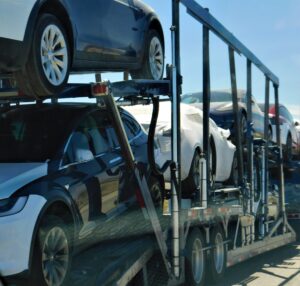
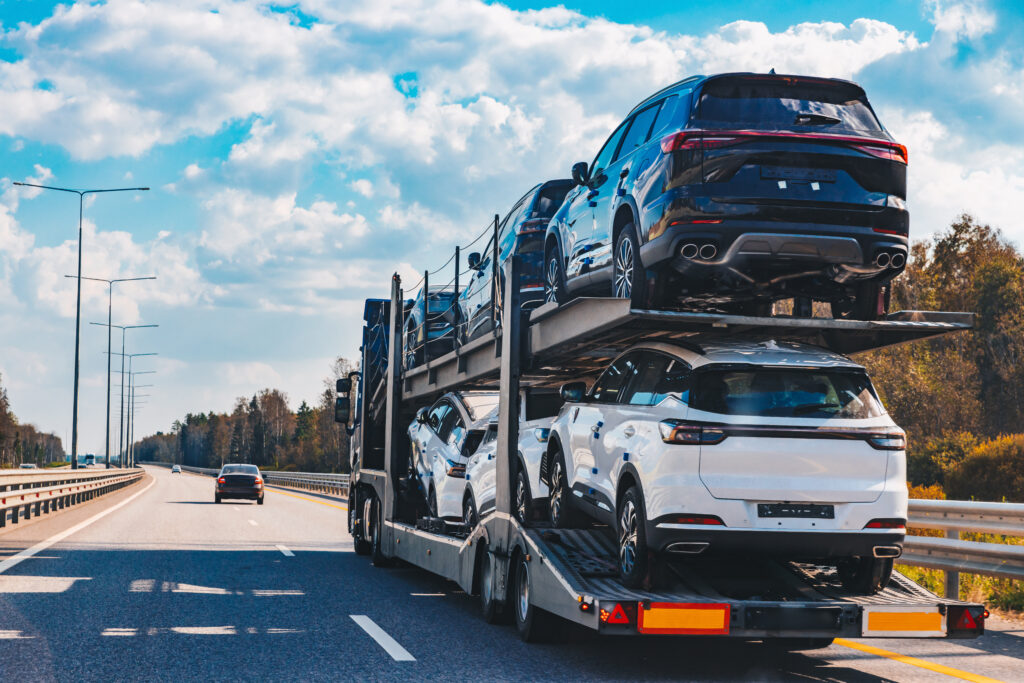
An open car carrier is a vehicle transport truck or trailer designed to carry multiple cars on exposed platforms. These carriers typically have two levels and can transport several vehicles in one journey.
Open car carriers are commonly used by automobile manufacturers, dealerships, car rental companies, and individuals who need to transport standard vehicles over long distances.
Since the vehicles are transported without protective walls or a roof, they remain exposed to outdoor conditions throughout the journey. However, professional car transport companies use secure loading systems, straps, and safety procedures to minimise transportation risks.
Advantages of Open Car Carriers
- Cost-effective transportation: Open carriers are generally more affordable because they can accommodate multiple vehicles, making transportation more economical.
- Wider availability: Open car carriers are commonly available, making it easier to arrange transportation across different routes.
- Suitable for standard vehicles: They are ideal for everyday cars, sedans, hatchbacks, and SUVs.
- Efficient transportation: Their higher availability and capacity can make scheduling and vehicle movement more convenient.
Disadvantages of Open Car Carriers
- Weather exposure: Vehicles are exposed to rain, sunlight, dust, and other environmental conditions.
- Road debris: Small stones, dirt, and debris may come into contact with the vehicle during transit.
- Limited protection: Open carriers do not provide the same level of environmental protection as enclosed transportation.
What Is an Enclosed Car Carrier?
An enclosed car carrier is a specialised vehicle transport trailer with protective walls and a roof. Unlike open carriers, enclosed carriers keep vehicles inside a covered space during transportation.
This transportation method is particularly suitable for luxury cars, classic automobiles, vintage vehicles, sports cars, and high-value vehicles that require additional protection.
Enclosed carriers may also feature hydraulic lift gates, specialised loading equipment, and advanced securing systems to accommodate vehicles with low ground clearance or unique transportation requirements.
Advantages of Enclosed Car Carriers
- Protection from weather: The enclosed structure protects vehicles from rain, snow, direct sunlight, and other outdoor conditions.
- Reduced exposure to road debris: Vehicles remain shielded from dust, dirt, stones, and other external elements.
- Ideal for luxury and classic cars: They offer additional protection for expensive, rare, vintage, and collectible vehicles.
- Greater privacy: Your vehicle remains hidden from public view during transportation.
- Specialised handling: Some enclosed carriers offer equipment and loading arrangements suitable for low-clearance and high-value vehicles.
Disadvantages of Enclosed Car Carriers
- Higher transportation costs: Enclosed shipping generally costs more because of specialised equipment, lower vehicle capacity, and additional handling requirements.
- Limited availability: Enclosed carriers are less common than open carriers, which can make scheduling more challenging.
- Route limitations: Certain routes may have fewer enclosed transport options, potentially increasing transit time.
Open vs. Enclosed Car Carrier: Key Differences
Although both transportation methods are designed to move vehicles safely, their features and suitability differ.
| Comparison Factor | Open Car Carrier | Enclosed Car Carrier |
|---|---|---|
| Protection | Exposed to outdoor conditions | Protected by covered walls and roof |
| Cost | Generally more affordable | Generally more expensive |
| Weather exposure | Yes | Significantly reduced |
| Road debris protection | Limited | Better protection |
| Vehicle capacity | Usually higher | Usually lower |
| Availability | Widely available | More limited |
| Best suited for | Standard vehicles | Luxury, classic and high-value vehicles |
| Privacy | Limited | Greater privacy |
The right choice depends on how much protection your vehicle needs and how much you are willing to spend on transportation.
Which Car Carrier Is Better for Your Vehicle?
Choosing between open and enclosed car transportation depends on your vehicle type, value, condition, and transportation requirements.
Here are some situations to help you decide.
1. Standard Cars and Everyday Vehicles
If you own a regular sedan, hatchback, or SUV, an open car carrier is generally a practical option. These vehicles are commonly transported using open carriers, and the method offers a balance between affordability and convenience.
If your primary concern is transporting your vehicle economically rather than providing additional environmental protection, open transportation may be the right choice.
2. Luxury and Premium Vehicles
Luxury vehicles often have expensive paintwork, specialised finishes, and high-value components. An enclosed car carrier provides an additional layer of protection against weather exposure, dust, and road debris.
For brands such as Mercedes-Benz, BMW, Porsche, and Bentley, enclosed transportation can be a worthwhile consideration, particularly when shipping over long distances.
3. Classic and Vintage Cars
Classic and vintage vehicles may require extra care because of their age, restoration work, and limited availability of replacement parts.
Enclosed transportation helps minimise exposure to outdoor elements and reduces the risk of external damage during transit. It is often the preferred choice for collectible vehicles and restored automobiles.
4. Sports and High-Performance Cars
Sports cars and high-performance vehicles may have low ground clearance, specialised bodywork, and expensive components.
An enclosed carrier with suitable loading equipment, such as a hydraulic lift gate, can make loading and unloading easier while providing additional protection throughout transportation.
5. Budget-Conscious Vehicle Owners
If you are working with a limited transportation budget and own a standard vehicle, open car shipping is usually the more economical solution.
It allows you to transport your car without paying the premium associated with specialised enclosed transportation.
How Much Does Open vs. Enclosed Car Shipping Cost?
The cost of car transportation depends on several factors, including transportation distance, vehicle dimensions, carrier type, route availability, fuel prices, and delivery requirements.
Open car transportation is generally less expensive because carriers can accommodate more vehicles and operate on a wider range of routes.
Enclosed transportation usually costs more because it involves specialised equipment, lower carrying capacity, and additional protection.
Other factors that can influence your car shipping quote include:
- Vehicle size and weight: Larger and heavier vehicles may require additional space and handling.
- Transportation distance: Longer routes generally increase the overall shipping cost.
- Pickup and delivery locations: Remote locations and restricted-access areas may involve additional arrangements.
- Transportation urgency: Expedited pickup or delivery may increase the price.
- Insurance coverage: The type and extent of available transit protection can affect the overall cost.
For an accurate estimate, request quotes from professional car transportation companies and compare the services included rather than considering price alone.
5 Factors to Consider Before Choosing a Car Carrier
Before booking your vehicle transportation, consider these important factors:
- Vehicle value: Consider enclosed transportation for expensive, rare, or collectible vehicles that require additional protection.
- Transportation distance: Longer journeys may increase the importance of protecting your vehicle from environmental exposure.
- Vehicle condition: Newly restored cars, vehicles with delicate finishes, and low-clearance sports cars may benefit from enclosed transportation.
- Budget: Compare both options and determine whether the additional protection offered by an enclosed carrier justifies the higher cost.
- Insurance and carrier reliability: Check the transport company’s experience, vehicle inspection procedures, insurance coverage, and damage-claim process before confirming your booking.
Final Verdict: Open or Enclosed Car Carrier?
There is no single transportation option that works best for every vehicle.
An open car carrier is an excellent choice for standard vehicles, everyday transportation, and budget-conscious customers. It offers wider availability and generally lower shipping costs.
An enclosed car carrier is better suited to luxury, classic, vintage, sports, and high-value vehicles where additional protection from weather and road debris is a priority.
Ultimately, the best option depends on your vehicle’s requirements, transportation route, budget, and desired level of protection. Working with an experienced vehicle transportation company can help you make an informed decision and ensure a smooth shipping experience.
Frequently Asked Questions (FAQs)
1. Is an enclosed car carrier safer than an open car carrier?
Enclosed car carriers provide additional protection against weather conditions, dust, and road debris. However, both transportation methods can be reliable when handled by experienced professionals using appropriate securing and safety procedures.
2. Is open car transportation suitable for luxury vehicles?
Yes, luxury vehicles can be transported using open carriers. However, enclosed transportation is often preferred for expensive or high-value vehicles because it provides additional environmental protection.
3. Why is enclosed car shipping more expensive?
Enclosed car shipping generally costs more because of specialised trailers, lower vehicle capacity, additional equipment, and the specialised handling requirements associated with this transportation method.
4. Can sports cars be transported using open carriers?
Yes, sports cars can be transported using open carriers if the carrier can safely accommodate their dimensions and ground clearance. However, enclosed carriers with suitable loading equipment may be a better option for low-clearance and high-value sports cars.
5. How do I choose a reliable car transportation company?
Look for a company with vehicle transportation experience, appropriate insurance coverage, transparent pricing, professional handling procedures, and clear pickup and delivery arrangements.