Moving to a new home, especially across international borders, requires careful planning and preparation. While transporting everyday household belongings is relatively straightforward, moving fragile and high-value items demands extra attention. Items such as glassware, antiques, artwork, electronics, chandeliers, musical instruments and valuable furniture can easily get damaged if they are not packed, handled and transported correctly.
Whether you are relocating locally or planning an international relocation taking the right precautions can help protect your belongings throughout the journey. Professional packing techniques, suitable materials, proper labelling and reliable transportation all play an important role in ensuring your valuables reach their destination safely.
In this guide, we explore practical tips and professional recommendations for moving fragile and high-value household items securely.
1. Identify and Categorise Fragile and Valuable Items
The first step towards a safe relocation is identifying which belongings require special handling. Not every household item needs the same level of protection, so categorising your possessions helps determine the appropriate packing method.
Common fragile and high-value household items include:
- Glassware and ceramics: Wine glasses, decorative vases, porcelain dishes and crystal collections.
- Antiques and collectibles: Vintage furniture, sculptures, family heirlooms and rare decorative pieces.
- Artwork and mirrors: Paintings, framed photographs, sculptures and large mirrors.
- Electronics: Televisions, computers, home theatre systems, cameras and audio equipment.
- Musical instruments: Pianos, guitars, violins and other delicate instruments.
- Luxury furniture: Glass-top tables, designer furniture, marble surfaces and delicate wooden pieces.
- Jewellery and personal valuables: Watches, precious metals, important documents and other valuable personal possessions.
Create a detailed inventory of these items before packing. Include photographs, descriptions and their estimated values. This will help with organisation, insurance documentation and checking the condition of your belongings after delivery.
2. Choose the Right Packing Materials
Using appropriate packing materials is one of the most important steps when moving fragile household belongings. Standard cardboard boxes may not provide sufficient protection for delicate or expensive possessions.
Consider using the following materials:
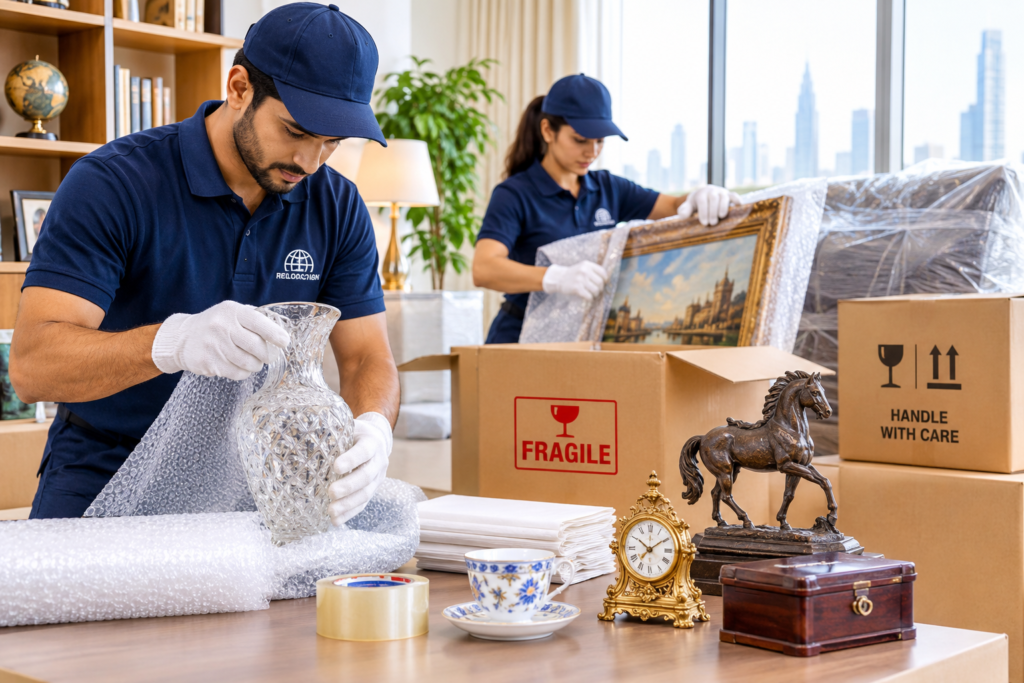
Bubble Wrap: Provides cushioning against impact and vibration. It is particularly useful for wrapping glassware, ceramics, decorative pieces and electronic accessories.
Packing Paper: Ideal for wrapping individual dishes, glasses and other delicate objects. It prevents scratches and reduces direct contact between items.
Double-Walled Cardboard Boxes: Stronger than standard boxes, these provide additional protection for heavier and fragile belongings.
Foam Sheets and Corner Protectors: Useful for protecting artwork, mirrors, furniture edges and delicate surfaces.
Custom Wooden Crates: High-value artwork, antiques, sculptures and oversized fragile objects may require specially designed wooden crates for additional protection.
Packing Tape and Protective Covers: Strong packing tape secures boxes, while furniture covers help prevent scratches, dust and moisture exposure.
Selecting the right combination of materials ensures that items remain stable and protected during handling and transportation.
3. Pack Glassware, Crockery and Ceramics Carefully
Kitchenware and decorative glass items are among the most commonly damaged household belongings during relocation. Their fragile nature makes individual wrapping and careful placement essential.
Follow these packing practices:
- Wrap each glass, cup and ceramic item individually using packing paper or bubble wrap.
- Place crumpled packing paper at the bottom of the box to create a cushioning layer.
- Position heavier items at the bottom and lighter pieces at the top.
- Use cardboard dividers to prevent glasses and bottles from touching one another.
- Fill empty spaces with cushioning materials to minimise movement.
- Seal the box securely and label it clearly as “Fragile”.
Avoid overfilling boxes, as excessive weight can increase the risk of breakage during lifting and transportation.
4. Protect Artwork, Mirrors and Antiques
Artwork, mirrors and antiques often have significant financial or sentimental value. Some pieces may also have unique dimensions, delicate finishes or historical importance, making standard packing methods unsuitable.
For paintings and framed artwork, use acid-free paper or suitable protective wrapping to protect the surface. Add corner protectors and cushioning before placing the item inside a specialised artwork box or crate.
For mirrors and glass frames:
- Apply protective corner guards.
- Use suitable surface protection.
- Add rigid cardboard or foam sheets on both sides.
- Secure the item inside a properly sized protective carton or crate.
Antique furniture may require additional attention. Remove detachable components where appropriate, protect delicate handles and decorative elements, and use padded furniture blankets to prevent scratches.
For particularly valuable or oversized pieces, professional assessment and custom crating are recommended.
5. Take Extra Precautions When Moving Electronics
Modern households contain expensive electronic equipment that can be sensitive to physical impact, dust, moisture and temperature changes.
Before packing electronic devices, disconnect all cables and accessories. Take photographs of the connections to make reinstallation easier at your destination.
Whenever possible, use the original packaging because it is designed to accommodate the equipment securely. If the original packaging is unavailable, choose appropriately sized boxes with foam inserts and protective cushioning.
Additional precautions include:
- Remove batteries from devices where appropriate.
- Protect screens with suitable non-abrasive materials.
- Pack cables and accessories separately in labelled bags.
- Keep devices dry and protected from extreme temperatures.
- Avoid placing heavy objects on electronic equipment.
For expensive televisions, computers, audio systems and other sensitive equipment, professional packing services can provide an additional layer of protection.
6. Create a Detailed Inventory and Document Item Conditions
Maintaining a detailed inventory is essential when transporting valuable household belongings, particularly during international relocation.
Before packing, prepare a list of items that require special handling. Record their descriptions, quantities, identifying details and approximate values.
Take clear photographs from multiple angles, especially of antiques, artwork, electronics and luxury furniture. Document any existing scratches, dents or other damage before the moving process begins.
An inventory helps in several ways:
- Makes it easier to track valuable belongings.
- Helps verify items during loading and delivery.
- Supports insurance documentation.
- Provides a reference for checking items after relocation.
- Reduces confusion during unpacking.
For international household shipments, ensure that your inventory and customs documentation accurately describe the goods being transported. Certain items may also require additional declarations or supporting documents depending on the destination country’s regulations.
7. Understand Insurance Coverage for Valuable Household Items
Even with professional packing and careful transportation, unexpected incidents can occur during relocation. Appropriate insurance coverage can help reduce the financial impact of accidental damage or loss.
Before your move, discuss available transit insurance options with your relocation company.
Pay particular attention to:
- The declared value of your belongings.
- Coverage for fragile and high-value items.
- Exclusions and limitations.
- Requirements for professional packing.
- Documentation needed when making a claim.
- Whether coverage applies throughout the entire transportation journey.
Do not assume that every valuable item is automatically covered under a standard moving arrangement. Some policies may have specific conditions for antiques, artwork, jewellery and high-value electronics.
Review the policy carefully and obtain written confirmation of the applicable coverage before shipment.
8. Choose the Right Transportation Method
The transportation method can significantly influence how fragile and valuable belongings are handled during relocation.
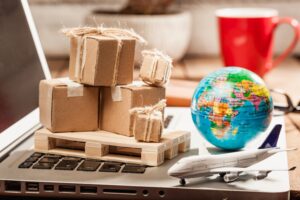
For international household moves, sea freight and air freight are two commonly used transportation options.
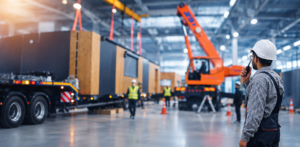
Sea Freight: Suitable for transporting larger household shipments over international distances. Proper packaging, secure loading and moisture protection are particularly important because shipments may experience longer transit periods and changing environmental conditions.
Air Freight: Generally offers shorter transit times and may be suitable for smaller, time-sensitive or particularly valuable shipments. However, items still need appropriate protection against handling impacts and changes in transportation conditions.
The right option depends on the shipment size, destination, budget, delivery timeline and nature of the belongings.
A professional international relocation company can help assess your requirements and recommend a suitable transportation solution.
9. Hire Professional Packing and Relocation Specialists
Some household belongings require more than standard packing techniques. Professional movers have the experience, equipment and materials needed to handle delicate and high-value possessions.
A specialised relocation team can assist with:
- Professional wrapping and cushioning.
- Custom packaging and wooden crating.
- Handling delicate furniture and antiques.
- Protective packing for electronics and artwork.
- Secure loading and shipment preparation.
- International transportation coordination.
- Inventory preparation and documentation.
When selecting a relocation company, consider its experience with international household moves, packing capabilities, insurance arrangements and experience handling specialised items.
Always discuss your high-value belongings with the relocation team before the moving date so that appropriate arrangements can be made.
10. Inspect Your Belongings After Delivery
Your responsibility does not end when your belongings arrive at the destination. A careful inspection helps identify any issues before the relocation process is considered complete.
Compare the delivered shipment against your original inventory. Check boxes labelled fragile first and inspect valuable items for visible damage.
If you notice any damage:
- Photograph the affected item and its packaging.
- Keep the damaged packaging materials.
- Record the issue in the delivery documentation where possible.
- Notify your relocation company promptly.
- Follow the insurer’s claim submission requirements and deadlines.
Avoid discarding packaging materials until you have completed the inspection and confirmed that your belongings have arrived in satisfactory condition.
Frequently Asked Questions (FAQs)
1. How do you pack fragile household items for an international move?
Wrap each item individually using bubble wrap or packing paper. Use sturdy boxes, suitable cushioning and protective dividers. For particularly delicate or valuable belongings, consider professional packing and custom crating.
2. What is the safest way to transport expensive furniture?
Expensive furniture should be protected using padded moving blankets, foam sheets and suitable protective covers. Detachable components should be secured separately, while delicate surfaces and corners should receive additional protection.
3. Should I insure fragile and high-value household items during relocation?
Yes. Insurance can provide financial protection against eligible loss or damage during transportation. Review the policy carefully to understand coverage limits, exclusions and documentation requirements for valuable belongings.
4. Can artwork and antiques be shipped internationally?
Yes. Artwork and antiques can be transported internationally with appropriate protective packaging, specialised crating and relevant customs documentation. Certain valuable or restricted items may require additional permits or declarations.
5. Is professional packing necessary for fragile items?
Professional packing is strongly recommended for delicate, expensive and oversized belongings. Experienced packers use specialised materials and techniques to minimise the risk of damage during handling and transportation.
6. How can I prevent electronics from getting damaged during a move?
Use original packaging whenever possible, protect screens with suitable materials, secure accessories separately and keep devices protected from moisture and physical impact. Professional packing is advisable for expensive electronic equipment.
Conclusion
Moving fragile and high-value household belongings requires careful preparation, appropriate packing materials and experienced handling. From glassware and antiques to artwork, electronics and luxury furniture, every valuable possession needs the right level of protection throughout the relocation process.
Creating an inventory, documenting item conditions, understanding insurance coverage and choosing a reliable transportation method can significantly reduce the risks associated with moving delicate belongings.
For a smooth international relocation, working with experienced professionals can make a considerable difference. With proper planning and specialised packing solutions, you can ensure that your most valuable household possessions are transported with care and arrive safely at your new home.
Planning an international household move? Transworld International provides professional relocation and household moving services, helping individuals and families manage their international moves with careful planning, professional packing and coordinated transportation support. Get in touch with our team to discuss your relocation requirements and receive a customised moving solution.