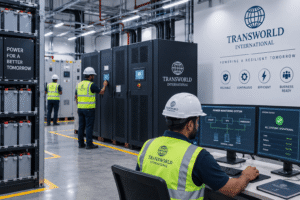

Industrial machinery relocation is a complex process that requires careful planning, specialised handling and coordinated transportation. Whether a business is moving a single production machine or relocating equipment across an entire manufacturing facility, every stage must be managed to minimise damage, control downtime and maintain workplace safety.
Professional industrial machinery relocation services help businesses coordinate equipment assessment, dismantling, protective packing, lifting, transportation and delivery to the new location. A structured relocation plan makes it easier to manage operational risks, meet project timelines and prepare machinery for installation at its destination.
Quick Answer: What Is Industrial Machinery Relocation?
Industrial machinery relocation is the planned process of moving manufacturing equipment, production machinery and industrial assets from one location to another. It typically involves a site survey, equipment assessment, dismantling coordination, protective packing, lifting, transportation, unloading and positioning at the destination. The exact requirements depend on the machine’s dimensions, weight, sensitivity and installation needs.
Why Is Industrial Machinery Relocation Important?
Manufacturers may need to relocate machinery when expanding production capacity, moving to a larger facility, upgrading equipment layouts or consolidating operations. However, moving industrial equipment involves more than transporting heavy loads.
Poor planning can result in equipment damage, workplace hazards, unexpected delays and extended production downtime. Some machines also require specialised lifting arrangements, controlled handling and manufacturer-approved preparation before any Data center Migration.
A well-planned industrial machinery relocation project helps businesses:
- Reduce avoidable production interruptions.
- Protect machinery and sensitive components during handling.
- Coordinate equipment movement with factory shutdown schedules.
- Plan lifting operations and transportation routes.
- Maintain equipment inventories and movement records.
- Prepare for installation and recommissioning at the new facility.
Step-by-Step Industrial Machinery Relocation Process
Step 1: Conduct a Detailed Site Survey
The first step is to assess the existing facility, the machinery being moved and the destination site. This survey helps determine the resources, equipment and transportation arrangements required for the project.
Important considerations include machine dimensions, total weight, centre of gravity, access points, door heights, floor loading limits, overhead obstructions and available loading areas.
The destination should also be checked for adequate space, access for lifting equipment, foundation requirements and any relevant utility connections.
A detailed site survey helps identify potential problems before physical relocation begins.
Step 2: Prepare a Machinery Inventory and Relocation Plan
Create an inventory of all equipment, components and accessories included in the move. Each asset should have a unique identification reference so that it can be tracked from its original position to the destination.
The relocation plan should define:
- Equipment movement sequence.
- Project milestones and target dates.
- Responsibilities of the relocation team and facility staff.
- Required lifting and transportation equipment.
- Packing and protective handling requirements.
- Access restrictions and safety arrangements.
- Destination readiness and handover procedures.
For manufacturing facilities, equipment dependencies should also be considered. Moving machines in the wrong sequence may complicate dismantling, access or future installation.
Step 3: Coordinate Shutdown and Equipment Preparation
Before moving machinery, coordinate the shutdown schedule with the facility’s operations, engineering and maintenance teams.
Qualified personnel should follow the equipment manufacturer’s instructions and applicable site procedures for isolation, disconnection and preparation. Electrical, hydraulic, pneumatic and other connections may require specialist attention.
Depending on the machine, preparation may include securing moving components, removing accessories, protecting sensitive parts and documenting existing connections.
Photographs, labels and component records can help simplify reassembly and reduce confusion during installation.
Refrigerants, oils and other regulated or hazardous materials must be handled according to applicable requirements by appropriately qualified personnel.
Step 4: Dismantle Machinery Where Required
Some industrial machines can be transported as complete units, while others must be partially dismantled to meet lifting, access or transport restrictions.
Dismantling should follow approved procedures and account for component weight, lifting points, alignment requirements and the risk of damaging precision parts.
Smaller components, cables, fasteners and accessories should be labelled and recorded. Where alignment or calibration is important, the original configuration should be documented for reference during reassembly.
Not every machine requires dismantling. The decision should be based on equipment specifications, the relocation route and advice from qualified technical personnel.
Step 5: Pack and Protect Industrial Equipment
Industrial machinery may contain precision surfaces, electrical components, exposed connections and other parts that require protection during transportation.
Packing methods should be selected according to the equipment’s characteristics and the anticipated handling and transit conditions.
Common protective measures include:
- Industrial wrapping and protective covers.
- Custom crating for sensitive or vulnerable components.
- Moisture protection where environmental exposure is a concern.
- Securing loose components and accessories.
- Suitable cushioning and restraint systems.
- Clear equipment identification and handling labels.
Export packing may also be required for international shipments, depending on the destination and applicable import requirements.
The objective is to protect machinery from movement, vibration, moisture, contamination and impact during loading, transit and unloading.
Step 6: Plan Heavy Lifting and Loading
Moving industrial machinery often requires specialised lifting equipment and trained personnel. Depending on the project, this may involve cranes, forklifts, hydraulic skates, gantry systems or other suitable handling equipment.
The lifting method must be selected based on equipment weight, centre of gravity, approved lifting points, ground conditions, available clearance and site restrictions.
A suitable lifting plan should identify hazards, exclusion zones, personnel responsibilities and the sequence of operations. Equipment capacity and lifting accessories must be appropriate for the planned load.
Safe loading is especially important for oversized machinery, production lines and equipment with delicate or unevenly distributed weight.
Step 7: Select the Right Transportation Method
The transportation arrangement depends on the machinery’s dimensions, weight, route and delivery requirements.
Standard industrial equipment may be transported using suitable commercial vehicles, while oversized or exceptionally heavy machinery may require specialised trailers and route planning.
Before dispatch, consider:
- Road access and route restrictions.
- Bridge and overhead height limitations.
- Axle-load and vehicle-weight requirements.
- Required transport permits or escorts.
- Weather and transit conditions.
- Equipment securing and load distribution.
- Delivery access and unloading arrangements.
For interstate or international projects, additional transport regulations and documentation may apply. These should be confirmed before the shipment is scheduled.
Step 8: Unload and Position Machinery at the Destination
The destination facility should be ready before the equipment arrives. Confirm that access routes are clear, foundations or designated positions are prepared, and suitable lifting arrangements are available.
Machinery should be unloaded and moved into position using the approved handling plan.
Positioning may require careful alignment with production layouts, foundations, mounting points and surrounding equipment. Any dimensional or weight restrictions at the destination should have been assessed during the planning stage.
The final position should be checked against the agreed layout before the machinery is handed over for installation.
Step 9: Coordinate Installation and Recommissioning
Once machinery has been positioned, installation and recommissioning can begin according to the manufacturer’s instructions and the project scope.
Qualified technical personnel may need to reconnect services, inspect components, verify alignment, perform calibration where applicable and conduct functional or safety checks.
The relocation team and the facility’s engineering staff should agree on who is responsible for each activity. Transportation and positioning do not automatically include electrical reconnection, mechanical installation, calibration or commissioning.
Before production resumes, the responsible personnel should confirm that the machine has passed the required checks and is approved for operation.
Step 10: Complete Documentation and Project Handover
The final stage is to verify that all equipment and recorded components have arrived at the destination.
The handover process should include an inventory check, visual inspection, documentation of any transit damage and confirmation that agreed relocation activities have been completed.
Depending on the project, records may include delivery acknowledgements, equipment condition reports, photographs, movement logs and installation or commissioning documents supplied by the responsible technical team.
A clear handover helps the business close the relocation project and address any outstanding issues.
Factors That Affect Industrial Machinery Relocation Costs
The cost of industrial machinery relocation varies according to the equipment, project complexity and distance involved. Businesses should obtain a detailed quotation based on the actual scope of work.
Key cost factors include:
Machinery dimensions and weight: Large, heavy or irregularly shaped equipment may require specialised lifting and transport arrangements.
Dismantling and preparation: The amount of technical preparation, component separation and protective packing affects the resources required.
Lifting requirements: Crane access, lifting capacity, rigging arrangements and restricted working areas can influence project costs.
Transportation distance: Distance, route conditions, permits and specialised vehicle requirements affect transport planning.
Site accessibility: Narrow entrances, limited loading areas, restricted operating hours and difficult access can increase complexity.
Installation requirements: Reassembly, alignment, calibration and recommissioning should be specified separately where applicable.
Providing an accurate equipment inventory, site details, photographs and the required relocation timeline can help a service provider prepare a more appropriate quotation.
How to Choose an Industrial Machinery Relocation Company
Selecting a suitable relocation partner is important for complex industrial projects. Businesses should evaluate the provider’s experience with similar equipment and its ability to coordinate safe handling and transportation.
Before appointing a provider, consider:
- Experience with comparable machinery and industrial facilities.
- Availability of appropriate lifting and transportation resources.
- Site survey and project planning procedures.
- Safety practices and personnel training.
- Equipment protection and condition documentation.
- Insurance arrangements and clearly defined responsibilities.
- Coordination with the client’s engineering and maintenance teams.
- Transparent pricing, project milestones and handover requirements.
Ask for a clearly defined scope of work so that transportation, dismantling, installation and commissioning responsibilities are understood before the project begins.
Arrange Your Industrial Machinery Relocation
Planning an industrial equipment move requires careful coordination between machinery owners, facility managers, engineering teams and transportation specialists. A structured approach helps businesses identify risks early, protect valuable equipment and prepare for the next stage of operations.
Transworld International provides relocation and logistics services for businesses with equipment movement requirements. Contact the team to discuss your machinery relocation requirements, project location, equipment specifications and preferred timeline.
Request a relocation assessment to understand the planning, handling and transportation arrangements appropriate for your project.
Frequently Asked Questions
What is industrial machinery relocation?
Industrial machinery relocation is the process of moving manufacturing equipment or industrial assets between facilities or within a site. It may include assessment, dismantling coordination, packing, lifting, transportation, unloading and positioning.
How long does industrial machinery relocation take?
The duration depends on the number of machines, their size, dismantling requirements, transportation distance, site accessibility and installation needs. A site survey and project schedule help establish a realistic timeline.
How is machinery protected during transportation?
Machinery is protected using suitable wrapping, cushioning, crating, moisture protection and load restraints selected for the equipment and transport conditions. Sensitive components may require additional precautions specified by the manufacturer.
Does machinery relocation include installation and commissioning?
Not necessarily. Some relocation projects cover transportation and positioning only, while others include dismantling, reassembly and technical support. The scope should be confirmed with the provider before work begins.
What information is needed for a machinery relocation quotation?
Useful information includes equipment dimensions and weight, collection and delivery locations, photographs, access conditions, dismantling requirements, lifting needs and the desired project timeline.
How can businesses minimise downtime during machinery relocation?
Businesses can reduce avoidable delays by planning the move in advance, preparing the destination facility, coordinating shutdown schedules, documenting machine configurations and arranging qualified installation and recommissioning personnel.
Why should businesses use professional machinery relocation services?
Professional relocation services help coordinate equipment handling, lifting, transportation and delivery requirements. The appropriate provider can help businesses plan the move around equipment specifications, site conditions and operational constraints.