
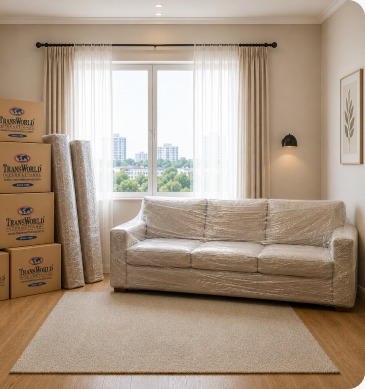
Moving to a new home is exciting, but the process of getting everything from one address to another can quickly turn overwhelming without a plan. A clear household packing and moving checklist keeps every task on schedule, prevents last minute chaos, and makes sure nothing important gets left behind or damaged along the way.
Whether you are relocating within the same city or moving your entire household across the country, this checklist walks you through every stage of the move, from the first planning steps to settling into your new space.
Why You Need a Household Packing and Moving Checklist
A move involves dozens of small tasks that are easy to forget when they are not written down. A structured checklist helps you:
- Break the move into manageable stages instead of one overwhelming task
- Avoid duplicate purchases of packing material or last minute scrambling for boxes
- Keep valuables, documents, and fragile items organized and accounted for
- Coordinate timelines with your moving company, building management, and utility providers
- Reduce the stress that usually comes with tight deadlines and unexpected surprises
Eight Weeks Before the Move
This is the planning stage, and getting it right early saves time later.
- Research and shortlist moving companies, and request quotes from at least three providers
- Create a folder for moving related documents such as quotes, contracts, and receipts
- Make a room by room inventory of your belongings
- Decide what you want to keep, donate, sell, or discard
- Start using up perishable food items and cleaning supplies you do not want to transport
Six Weeks Before the Move
- Book your moving company and confirm the moving date in writing
- Order packing supplies such as boxes, bubble wrap, packing paper, tape, and markers
- Start collecting free boxes from local stores if you prefer to save on packing material
- Notify your child’s school if you are relocating to a new city
- Begin researching your new neighborhood, including schools, hospitals, and grocery stores
Four Weeks Before the Move
- Begin packing items you rarely use, such as seasonal clothing, books, and decor
- Label each box with the room it belongs to and a short description of the contents
- Set aside important documents like passports, property papers, medical records, and insurance files in a separate folder you will carry personally
- Arrange for the transfer or cancellation of utilities such as electricity, water, gas, and internet
- Update your address with your bank, employer, and any subscription services
Two Weeks Before the Move
- Continue packing room by room, starting with the least used spaces
- Confirm packing and moving dates with your moving company
- Arrange parking permits or freight elevator bookings if required by your building
- Plan meals around what is left in your refrigerator and pantry
- Start disassembling furniture that will need to be taken apart for transport
One Week Before the Move
- Finish packing everything except daily essentials
- Prepare a first day box with items you will need immediately, such as toiletries, chargers, a change of clothes, basic kitchen items, and important documents
- Confirm final details with the movers, including arrival time and contact numbers
- Take photographs of valuable or fragile items before they are packed, in case you need them for insurance purposes
- Defrost and clean the refrigerator if it is being moved
Moving Day Checklist
- Do a final walkthrough of every room, closet, and storage area to make sure nothing is left behind
- Check that all boxes are labeled and loaded according to the room they belong to
- Keep the first day box, important documents, and valuables with you rather than in the moving truck
- Take a final reading of utility meters before you leave
- Hand over keys and confirm handover details if required by your landlord or building management
Room by Room Packing Tips
Kitchen
Wrap plates vertically like records rather than stacking them flat, use cell dividers or dish towels to protect glassware, and pack knives and sharp utensils separately with clear labeling.
Bedroom
Use wardrobe boxes for hanging clothes so they arrive wrinkle free, and pack bedding and linens together in clearly labeled boxes.
Living Room
Wrap electronics in their original packaging where possible, take photos of cable connections before disconnecting them, and pad the corners of furniture and mirrors with blankets or bubble wrap.
Bathroom
Seal liquids such as shampoo and cleaning products in resealable bags to prevent leaks, and pack medicines and toiletries in a bag you keep with you.
Fragile and Valuable Items
Use bubble wrap and sturdy boxes for breakables, mark these boxes clearly as fragile, and consider transporting jewelry, important documents, and small valuables yourself rather than sending them with the general shipment.
After the Move
- Unpack the first day box first so daily essentials are within reach
- Check off items against your inventory list to confirm everything arrived
- Inspect furniture and boxes for any damage and report it to your moving company promptly
- Register with local utility providers if you have not already done so
- Update your address on your driving license, voter registration, and other official documents
Conclusion
A household packing and moving checklist takes what feels like an overwhelming process and turns it into a series of simple, manageable steps. Working through the checklist stage by stage, from the eight week mark right through to settling into your new home, helps you stay organized, protect your belongings, and reduce the stress that often comes with moving day.
If you would rather leave the heavy lifting to professionals, working with an experienced household packing and moving company can take care of the planning, packing, and transport for you, so you can focus on starting the next chapter in your new home.